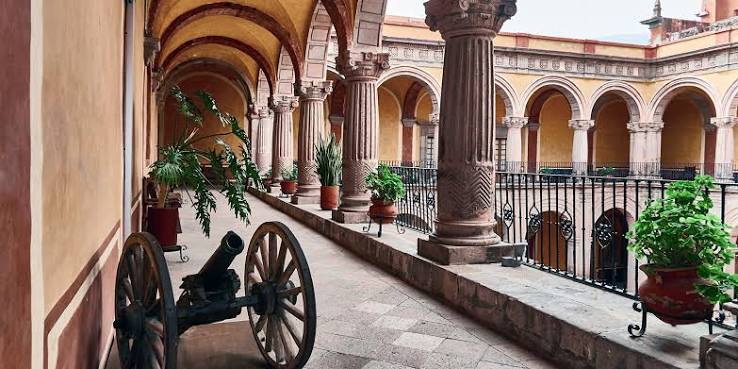
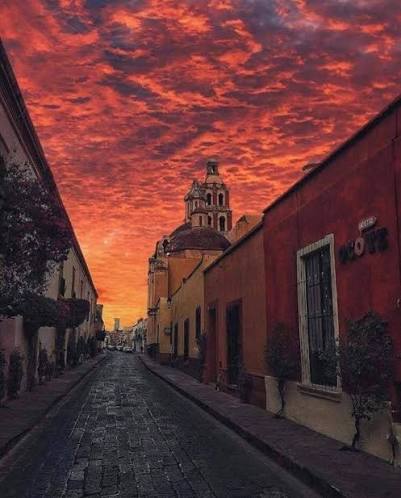
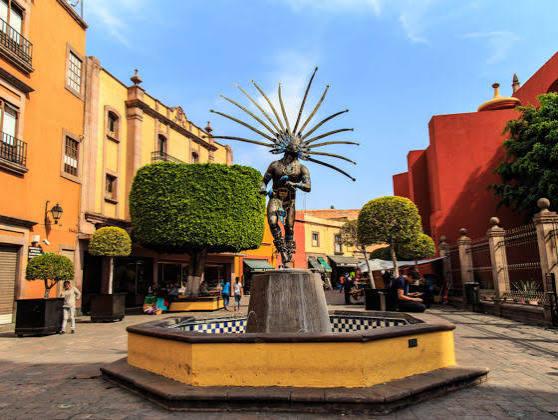
Queretaro’s history began with its first settlers: the Otomi, Tarascan, and Chichimeca tribes. During the 13th century Queretaro became part the Aztec empire, which was later conquered by the Spanish. The region’s fascinating history can be better understood by visiting the Historic Monument Zone of Queretaro.
When visiting or living in Queretaro, you also get to experience a UNESCO World Heritage Site.
The Old Colonial Town of Queretaro is described by UNESCO as “an exceptional example of a Spanish-colonial town whose layout symbolizes its multi-ethnic population. It is also endowed with a wealth of outstanding buildings, notably from the 17th and 18th centuries.”
During your stay in Queretaro’s historic center explore the regional museum and a total of 1,400 monuments.From ancient ruins and stunning Baroque architecture to wineries and waterfalls, the state of Querétaro has everything a person could want. The capital city of Santiago de Querétaro (Querétaro City) is a UNESCO World Heritage Site full of modern conveniences, international restaurants, and an exuberant history.
Whether you are visiting Querétaro or considering it for your next home, here are the top 12 things to do in Querétaro:
1.The pyramid of ¨El Cerrito¨
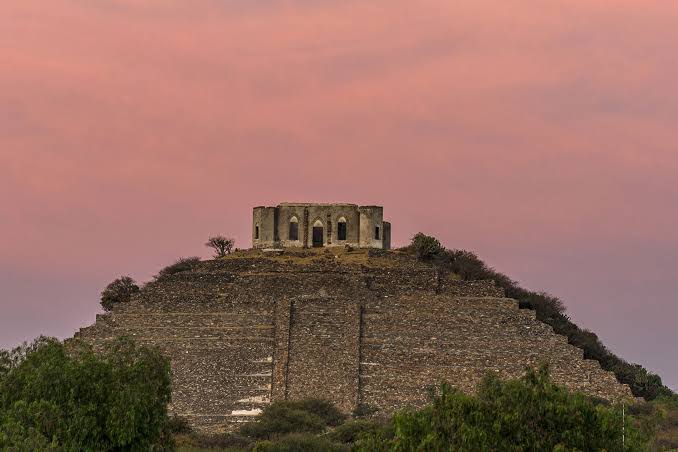
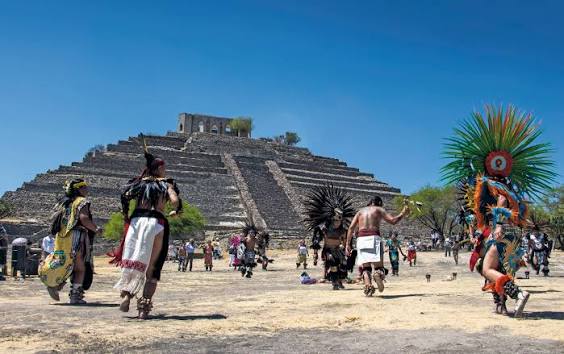
The El Cerrito Archaeological Zone is one of central Mexico's most spectacular yet underrated historical gems. Located just 10 to 15 minutes from downtown Querétaro, this pre-Hispanic site centers around a magnificent 100-foot-tall pyramid that served as a major religious and political hub for civilizations like the Chupícuaro, Teotihuacán, and the Toltecs.
In ancient times, this site was the religious center of an enigmatic civilization that devoted itself to the fervent worship of an inscrutable and buxom goddess of fertility. Today, the El Cerrito Archaeological Zone is an intriguing and easily overlooked archaeological gem just a short drive from Querétaro. Aside from the ruins, there is an interesting museum displaying artifacts from the Chupícuaro civilization that were discovered at the site.
What to Expect
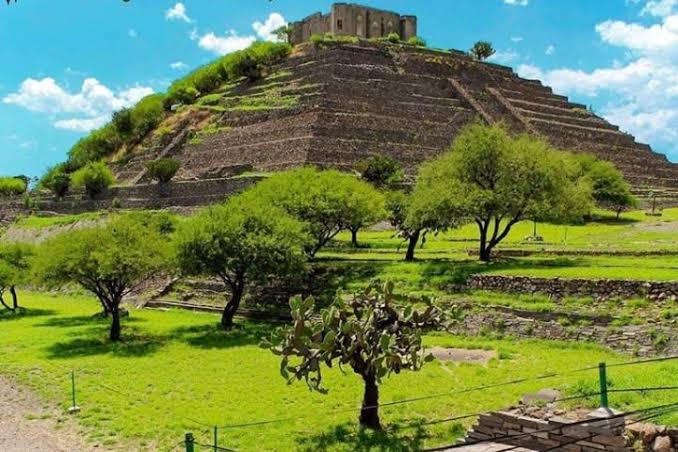
The Great Pyramid: The main structure is a massive, multi-tiered pyramid. An eccentric 19th-century fortress known as "El Fortín" sits right on top, creating a unique visual blend of Mesoamerican and historic colonial-era architecture.
The Ceremonial Squares: You can walk around well-preserved open areas including the Dance Square, the Sculpture Square, and distinct ancient altars like the Skull Altar.
On-Site Museum: A modern, air-conditioned museum displays impressive artifacts, pottery, and sculptures excavated directly from the site.
The Landscape: The pathways are surrounded by beautiful desert flora, including cacti and mezquite trees. During the rainy season, the pyramid faces turn vibrant green with overgrowth.
2.The City Center: Jardin Zenea, Plaza de Armas, Jardín Guerrero y Andador 5 de Mayo.
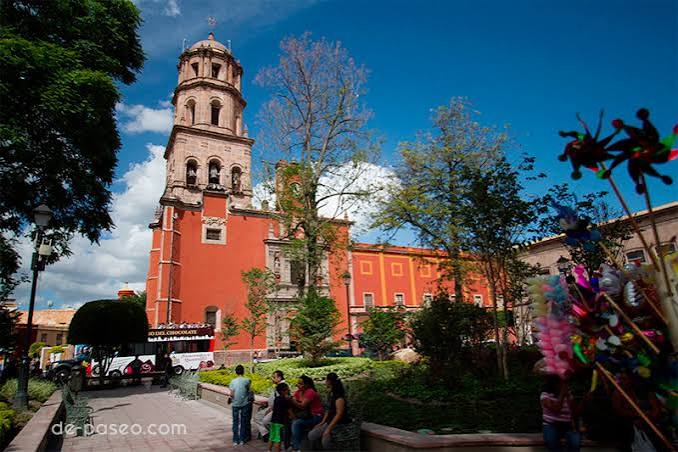
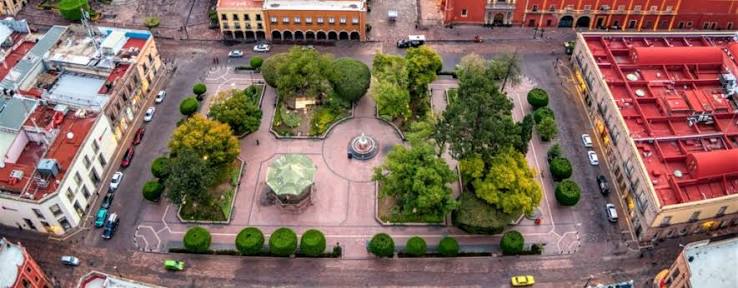
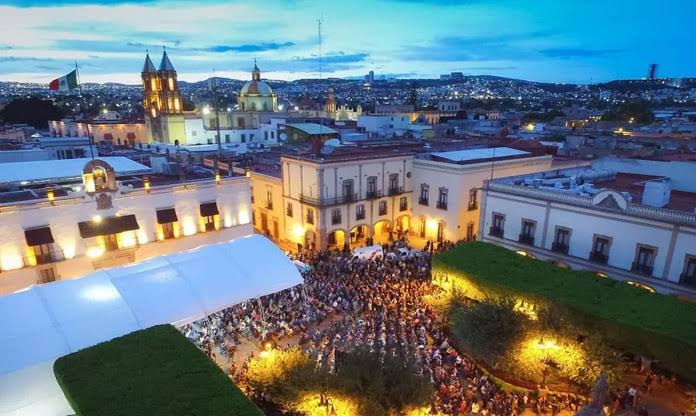
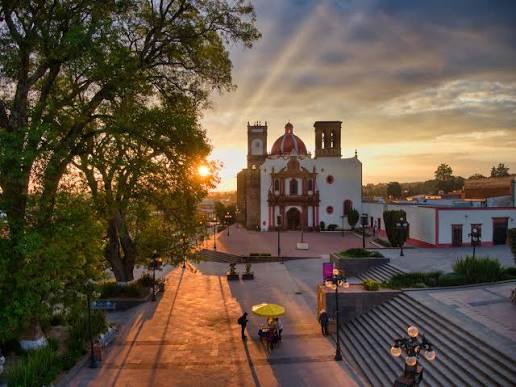
Recognized by UNESCO for its unique city layout representing two cultures, the heart of the city is Jardin Zenea. On weekdays, it’s a great spot for people watching and relaxing with ice cream. On weekends and holidays, it’s decorated with balloons and food vendors. From Jardin Zenea, you can catch a tram to the furthest points of the historic center (Centro), relax at many restaurants, or wander up the pedestrianized streets lined with shops, fountains, and eateries to other plazas within Centro.
Explore the Historic Plazas and Pedestrian Walkways
Plaza de Armas: The true heart of downtown. It features a beautiful central fountain and is lined with 17th-century colonial mansions, outdoor restaurants, and cafes.
Jardín Zenea: A lively, romantic square featuring a classic 19th-century bandstand. On weekends, you can often see locals gathering here to dance to live music.
Jardín Guerrero: Located right in front of the city hall, this peaceful plaza is filled with beautifully manicured trees, a grand fountain, and artisanal markets.
Andador 5 de Mayo: One of the main pedestrian walkways. It connects the major squares and is packed with local boutiques, ice cream shops, and traditional candy stores.
3.Museums
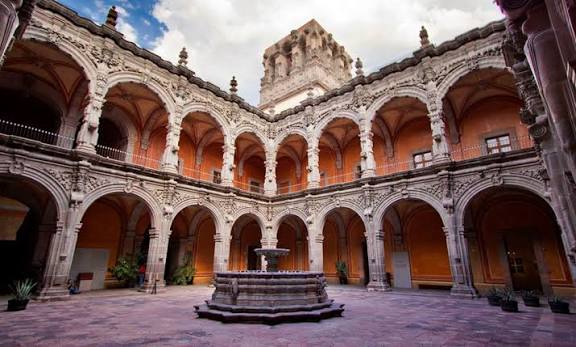
Lots of museums to visit, start at the Querétaro Regional Museum, the former convent next to the Templo de San Francisco de Asis for an in-depth look at Querétaro from ancient civilizations to the Mexican Revolution. The Museo Arte Sacro was also a former convent and exhibits art from different periods. Querétaro Museum of Art (Museo de Arte de Querétaro - MAQ): Located in the former monastery of San Agustín, it features beautiful baroque architecture and rotating exhibitions of both classical and contemporary art. .
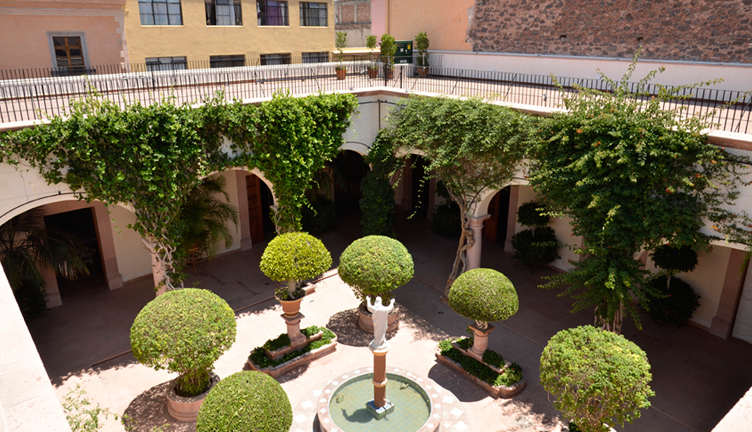
For something a little bit different, visit the Museo del Calendario (MUCAL) and explore its extensive collection of calendars. You will see everything from Aztec and Mayan calendars to the propaganda-filled calendars of the 1940s. They also have a lovely courtyard restaurant and bar.
4.Baroque Churches
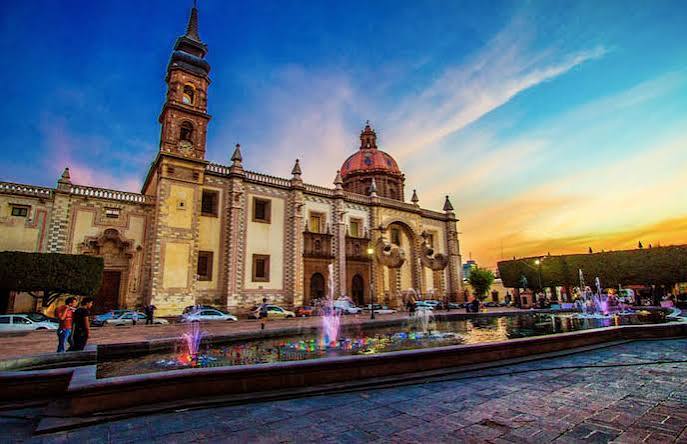
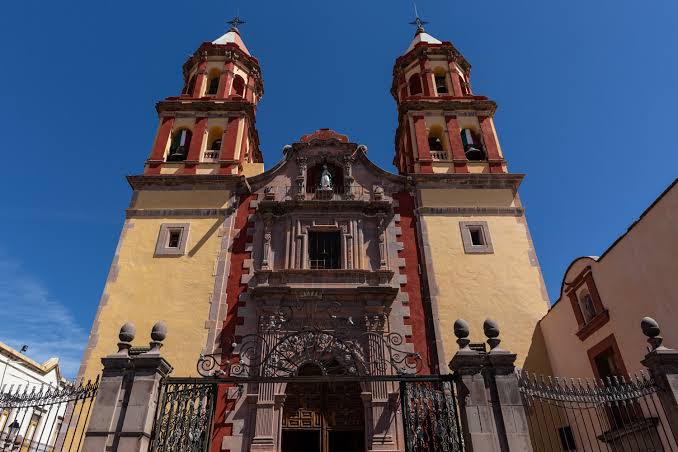
Lovers of Baroque architecture will enjoy the many churches of Querétaro. Sit in a pew and marvel at the intricate details and sparkling chandeliers of the Templo de San Francisco de Asis and the opulent Baroque frescos of Templo de Santa Clara de Viterbo. The magnificent Templo y Convento de la Santa Cruz was erected on the battle site where a burning cross was seen in the sky between the Spaniards and the indigenous Indians. The monastery is still being used today.
5. Mirador de los Arcos and Pantheon of Illustrious Queretanos
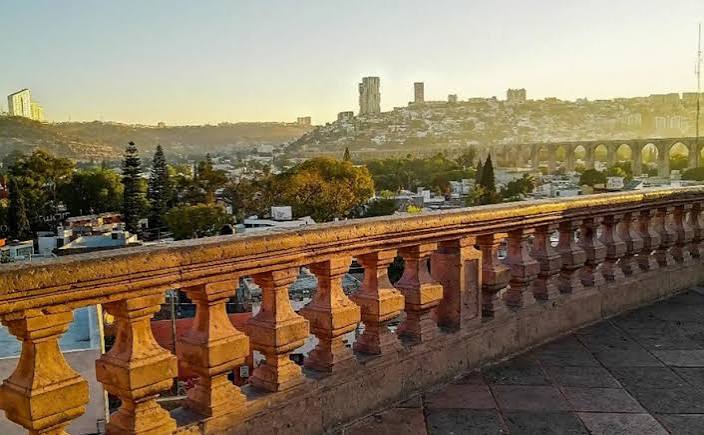
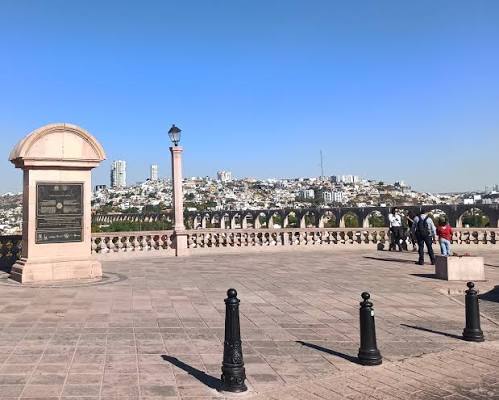
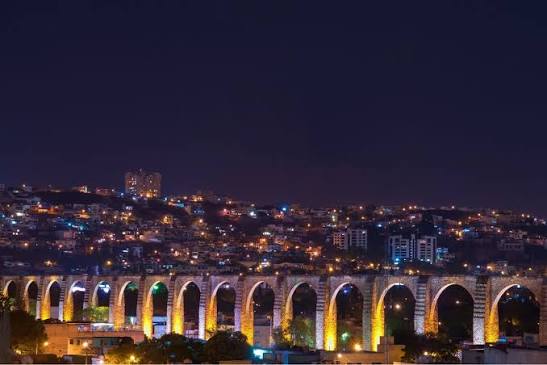
Walk 500 meters behind the Templo y Convento de la Santa Cruz and you can look out on the past and present of Querétaro at the Mirador de los Arcos. The pink-stoned aqueduct cuts through the city with its 74 arches and makes a great backdrop for selfies. A marker just to the left of the viewing area commemorates the Camino Real de Tierra Adentro, an important trade route for silver that ran between Mexico City and San Juan Pueblo, New Mexico from 1598 to 1882.
Across the street is the Pantheon of Illustrious Queretanos featuring statues of important benefactors for the arts and politics. Josefa Ortiz de Domínguez known as La Corregidora, was a prominent figure and patriot during the revolution. She sent the message to Father Hidalgo that the Spanish had discovered they were planning to revolt. This led to Hidalgo’s Cry for Independence and the beginning of the Mexican War of Independence. Her burial crypt stands in the middle of the property, and inside the chapel, you can view pictures and letters from her life.
6. Cultural Activities
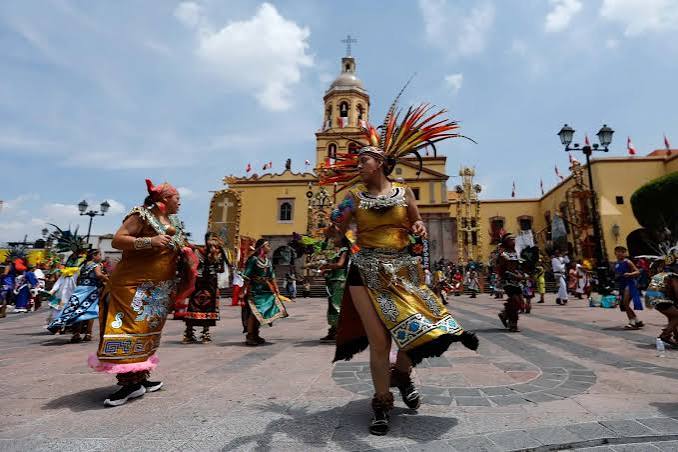
Plazas are the center of activity in Querétaro. During holidays and festivals, bands and dance troupes set up stages around the fountains and there’s no shortage of fantastic street food. Visit during Holy Week for the Festival of Santiago de Querétaro, one of the largest cultural events in the city. Day of the Dead and Christmas are also big celebrations in Querétaro with decorations and candies for the kids.
If you enjoy theater, check out the 500-seat Neoclassical Teatro de la República in Centro with performances from ballet to movie documentaries. Smaller venues are known for comedy, improv, and college productions.
For an entertaining historical overview of Querétaro, join the Legends and Myths tour. This nightly walking tour will highlight the prominent people of the city that made it what it is today. You will visit Casa de la Marquesa, one of the most beautiful haciendas built by Marques de la Villa del Villar del Aguila. Marques fell in love with a nun, who happened to be his wife’s cousin, and she did not return his feelings. Instead, she used his affection to bring clean water and many other spectacular architectural features to the great city and people of Queretaro without compromising her integrity.
7. Queretano Regional Cuisine
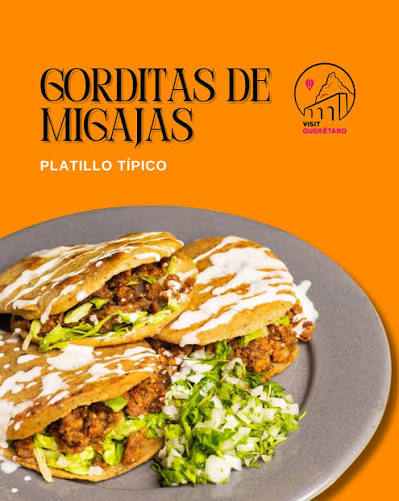
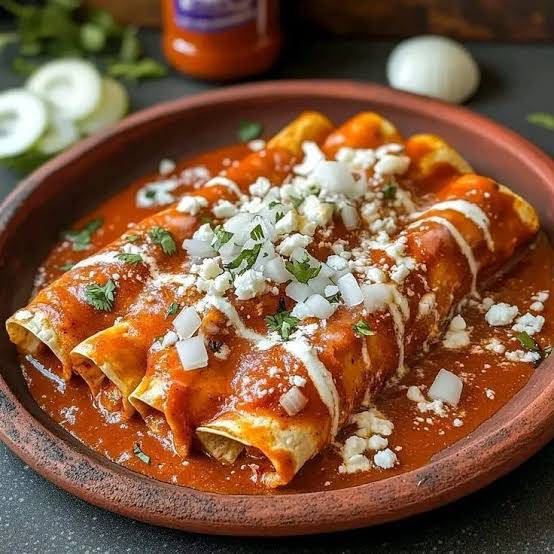
From street food to fine dining, Queretanos know how to eat! Querétaro is known for its Enchiladas Queretanas and gorditas, a thick tortilla stuffed with various fillings. Twenty minutes north of Centro is Santa Rosa Jauregui, the carnitas capital of Queretaro. Prickly pear, red-battered tamales, atole, and cajeta (goat’s milk caramel) are also popular in this region.
Mercado de la Cruz is a good place to start for local cuisine and fresh produce. Chow down on tacos or pozole before buying the best produce in season and a variety of meats. You can find every type of regional Mexican cuisine in Queretaro from Michoacan ice cream to Yucatan Conchinita Pibil.
What is a Gordita: A gordita is a traditional Mexican street food made from thick masa (corn dough) that is cooked on a comal (griddle) or deep-fried. The word translates to "little fat one," referring to its plump, chubby shape.
How it's made and eaten:
Instead of being rolled flat and thin like a standard taco tortilla, the dough is patted into a thick patty. Once cooked, it puffs up, allowing it to be sliced open to create a pocket. This pocket is then stuffed with a variety of ingredients. You can stuff a gordita with almost anything, but the most classic traditional fillings include:: Chicharrón prensado: A savory, spiced, and pressed pork rind, Refried beans, Quesillo: Stringy Mexican melting cheese.
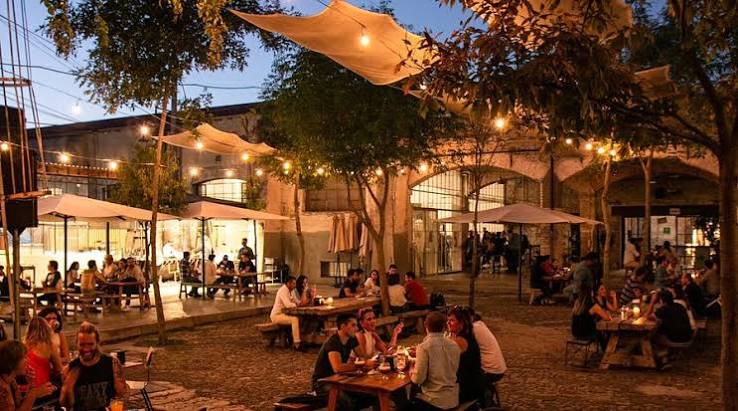
I recoment to visit Cervecería Hércules: A popular craft brewery housed in a historic textile mill, serving great food in a massive, industrial-chic courtyard.
"Montezuma's Revenge" (La Venganza de Moctezuma)
In modern times, the phrase is a famous piece of Mexican folklore used to describe traveler’s diarrhea contracted by foreign tourists visiting Mexico.
The Myth: The legend jokes that the spirit of Montezuma placed a póstumous curse on any foreign invaders or intruders traveling through his ancient lands.
The Reality: The illness is actually caused by the traveler's digestive system reacting to unfamiliar strains of E. coli bacteria found in local tap water or food, as well as the abrupt introduction of heavily spiced food, chiles, and cooking oils to a foreign stomach.
If you are planning a culinary trip to Mexico, you can avoid "Montezuma's Revenge" by sticking strictly to bottled water, avoiding ice cubes made from tap water, and pacing yourself with hot salsas!
8. Cerro de la Campanas
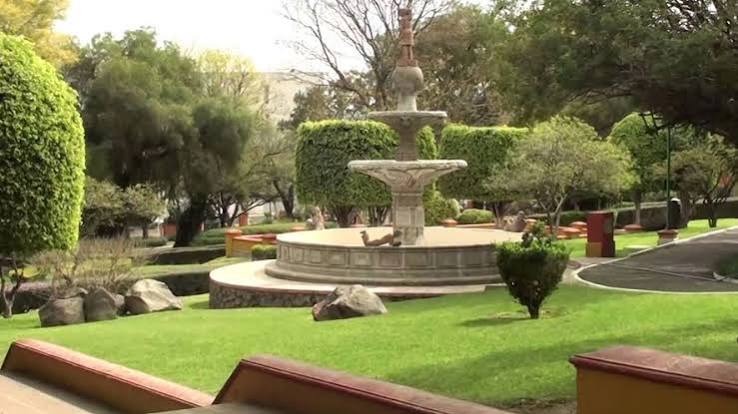
Hop on the trolley to visit the outskirts of the historic district like the Hill of the Bells. This beautiful park is where Emperor Maximilian I of Austria (brother to the Emperor of Austria) was executed after his short three-year reign over the Second Mexican Empire.
Origins of the Name
The hill owes its unique name to the volcanic rocks (phonolites) found on its slopes. When struck against one another, these "sounding stones" emit a clear, metallic chime that closely resembles the ringing of church bells.
The Fall of the Empire (1867)
During the French Intervention, French-backed Emperor Maximilian I retreated to Querétaro as Republican forces led by President Benito Juárez advanced.
The Siege: Maximilian and his remaining loyalist forces became cornered and besieged within the city.
The Capture: After a multi-month siege, the Emperor was captured on this very hill.
The Execution: On June 19, 1867, Maximilian and his conservative generals, Miguel Miramón and Tomás Mejía, were executed by a firing squad on the hill. This historic event sealed the victory of the Mexican Republic and restored national sovereignty.
Key Monuments on the Hill
Today, the 58-hectare area is protected as a national park and features several prominent landmarks:
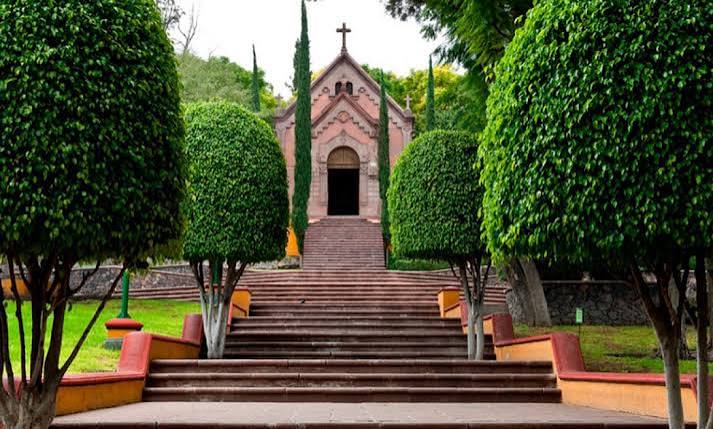
The Emperor Maximilian Memorial Chapel: Built in 1901 by the Austrian government (commissioned by Maximilian’s brother, Emperor Franz Joseph I), this Viennese-style chapel marks the exact location of the execution.
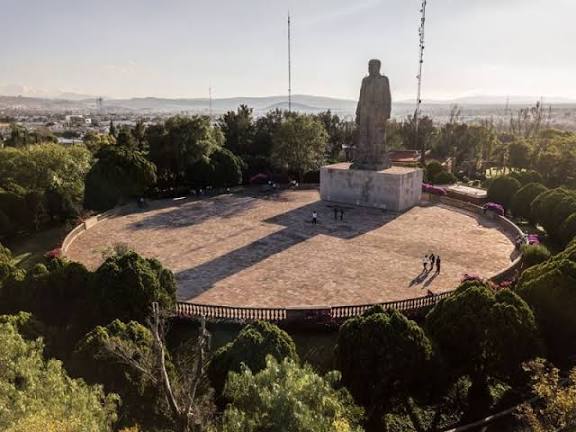
Benito Juárez Monument: Erected in 1967 to mark the centennial of the Republic's victory, a massive 13-meter stone statue of President Benito Juárez stands at the crest of the hill, facing east.
The Cerro de las Campanas Museum: Opened on the grounds to offer an interactive journey through the history of Mexico and the specific events that unfolded in Querétaro
9. Maigc Towns
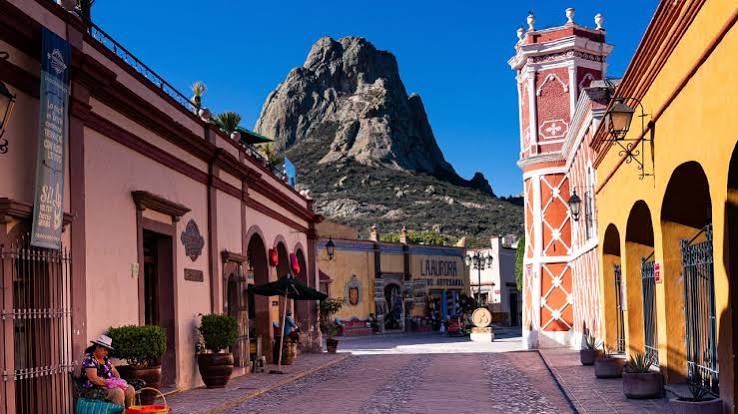
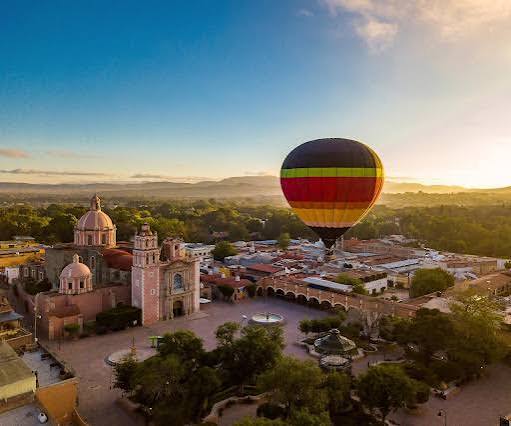
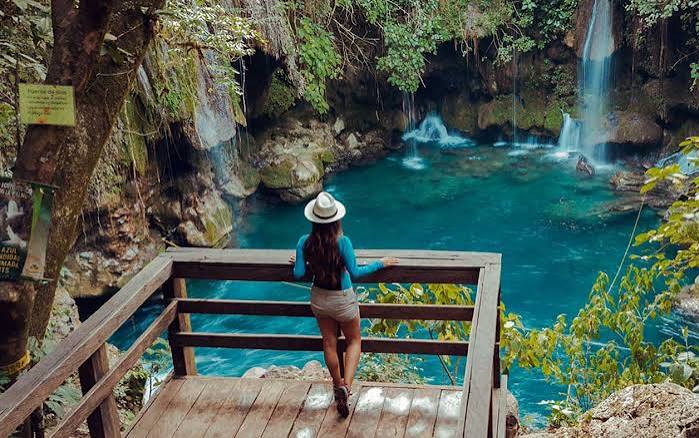
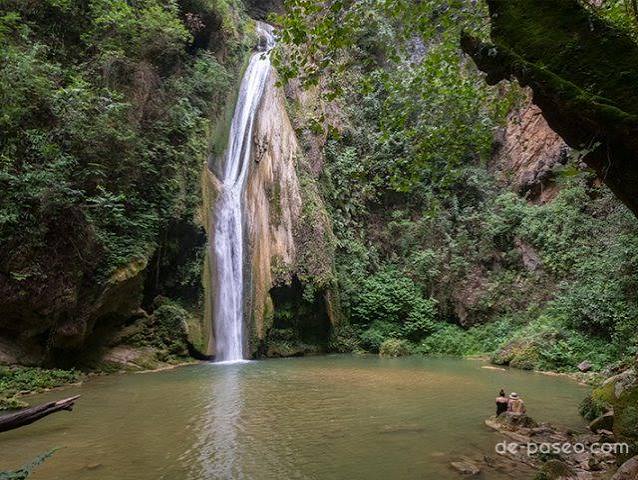
Take a tour of day or two and explore the ¨pueblos magicos¨(Magic Towns) of the state of Querétaro. Start in Santiago de Bernal and hike the third largest granite monolith in the world. Afterward, grab a gordita in town or at the base of the mountain and some cajeta candies before visiting the botanical gardens in Cadereyta de Montes. For relaxation, head to Tequisquiapan with its pink church, spas, and wine bars. Almealco, home to waterfalls and the Maria doll museum, is a nice 90-minute drive south through sheep country. Jalpan de Serra in the Sierra Gorda Mountains is the perfect base camp for a few days of hiking, waterfalls, and visiting the Franciscan Missions.
A) Tequisquiapan: A relaxed town known for its hot springs, cobblestone streets, and colonial architecture. It sits right in the heart of Mexico's wine and cheese route.
B) Amealco de Bonfil: The birthplace of the iconic Lele Otomi doll. This town is deeply rooted in indigenous traditions, pine forests, and clay pottery.
C) Cadereyta de Montes: A diverse town that serves as the gateway to the Sierra Gorda mountain range. It stands out for its massive botanical gardens specializing in cacti.
D) Jalpan de Serra: Located deep in the mountains, it hosts historic Franciscan Missions designated as a UNESCO World Heritage Site. It is a premier spot for eco-tourism.
E) San Joaquín: A town surrounded by pine forests, ancient ruins, and stunning caves. It is globally recognized for hosting the National Huapango Dance Festival.
F) Pinal de Amoles: Known for its breathtaking mountainous landscapes often covered in a sea of fog. It features rivers, waterfalls, and canyons perfect for outdoor adventure.
10. Sierra Gorda
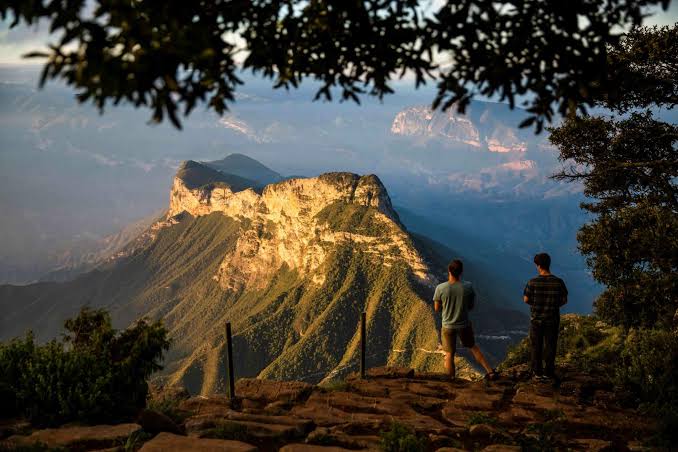
The Sierra Gorda Natural Reserve extends through the northern third of the Mexican state of Queretaro and its neighboring states of Guanajuato, Hidalgo, and San Luis Potosi. As a result, it’s a massive territory: 3,836 square kilometers.
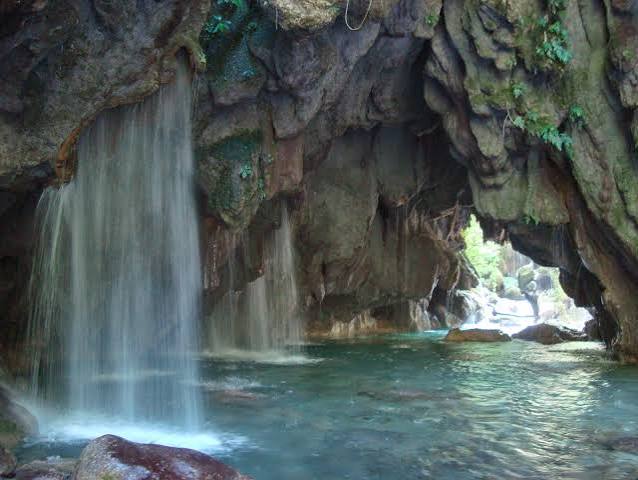
In Sierra Gorda, you’ll notice the different environments that coexist and the rugged landscape. Sierra Gorda has a semiarid zone and another one rich in vegetation, with oak and conifer forests and sugar and banana fields that give way to waterfalls, caverns, and pit caves.
This place is also home to various animal species in danger of extinction—like black bears, pumas, jaguars—as well as endangered plant species.
11.Art, Cheese and Wine Route
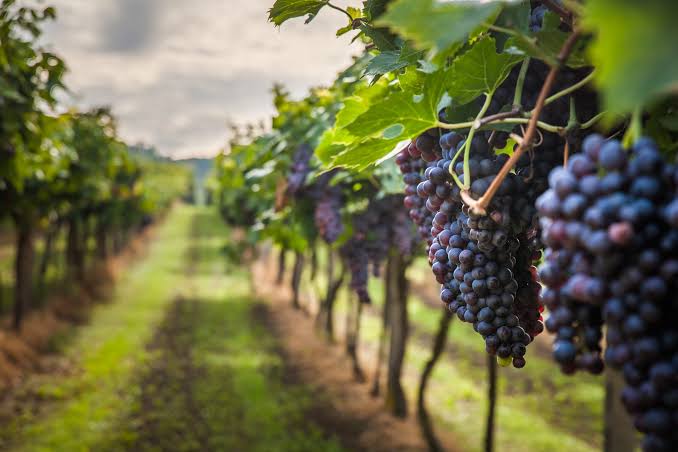
The state of Querétaro boasts its own wine region within an hour’s drive from Centro. Known for exceptional sparkling wines and red blends, winery tours are available, and some have added wine bars, hotels, and high-end restaurants.
One of Querétaro’s signature destinations, a midpoint between the city and the state’s most natural side. In this wine region, you’ll find the finest vineyards—from those inspired by classic European countrysides to others that blend perfectly with a distinctly Mexican setting; artisanal cheese dairies of international quality located on farms and ranches offering high-end rural experiences; and luxurious boutique haciendas where centuries-old stone buildings merge seamlessly with the vineyard landscapes in the background. In the City Center you can take a day tour.
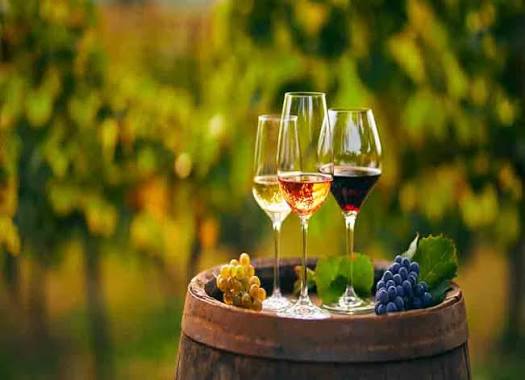
Querétaro is Mexico's second-largest wine region and the country's top producer of sparkling wine using the traditional method. Known globally for its Art, Cheese, and Wine Route, the region's semi-desert climate, high altitude, and extreme temperature variations give its grapes a highly distinct character.
Overview of Querétaro Wine Country
Querétaro houses over 30 active wineries and vineyards spread across municipalities like Ezequiel Montes, Tequisquiapan, Cadereyta, and El Marqués. The region specializes in crisp sparkling wines, fresh whites, and young reds. Popular grape varieties cultivated here include Cabernet Sauvignon, Merlot, Syrah, Malbec, Tempranillo, Macabeo, and Sauvignon Blanc. Visitors frequently combine vineyard tours with stops at artisanal cheese factories and local "Pueblos Mágicos" (Magical Towns) like Bernal and Tequisquiapan.
Prominent Wineries in Querétaro
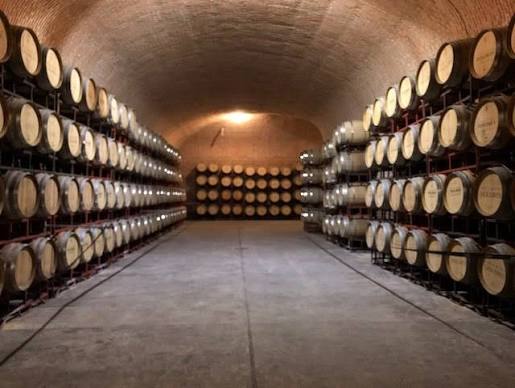
Freixenet México (Finca Sala Vivé): One of the most famous and heavily visited wineries in Mexico. It features an impressive 25-meter-deep underground wine cellar where they produce exceptional traditional-method sparkling wines.
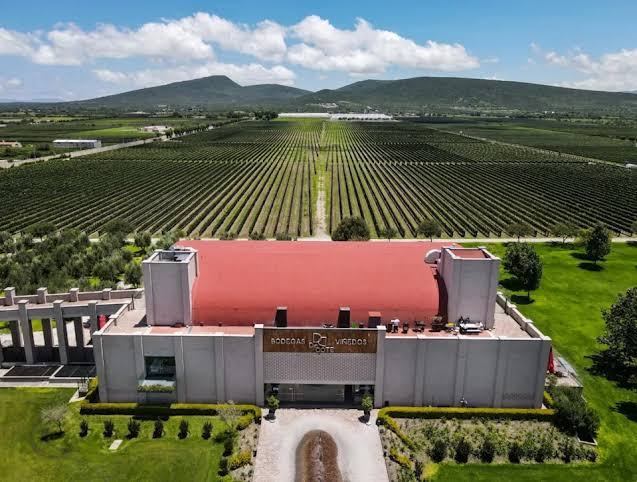
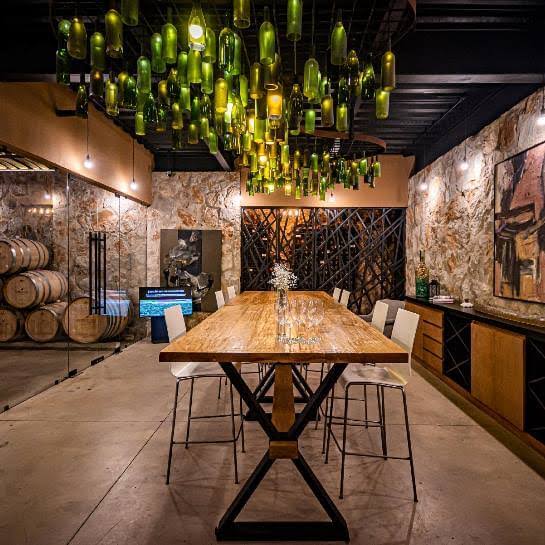
Bodegas de Cote: An elegant, highly versatile vineyard known for its contemporary architecture and sustainable practices. Visitors can explore the estate by bicycle or train, view a 7-meter-deep underground cellar, and dine at their premium panoramic restaurant.
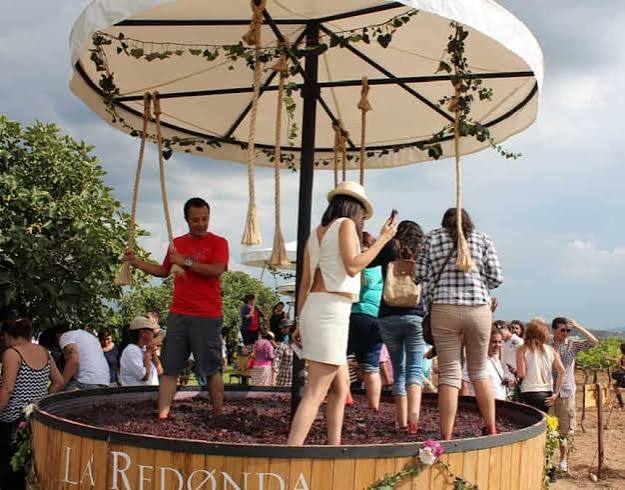
Viñedos La Redonda: One of the oldest and largest vineyards in the state. It has an open, family-friendly, picnic-style atmosphere and hosts major public festivals.
San Juanito Vitivinícola: A highly acclaimed boutique winery focused entirely on premium quality. It has won numerous international awards, specifically for its Malbec and Syrah lines, and offers guided tastings paired with artisanal pizzas
.Donato: A modern winery boasting spectacular panoramic views of the Peña de Bernal monolith. It is incredibly popular for its vibrant nightlife, live music events, and its signature nocturnal harvest festival.
Key Visitor Experiences
Wine Tastings & Cellar Tours: Almost all venues offer walking tours through the vines, explanations of the production line, and subterranean barrel room tastings.
Harvest Season (Las Vendimias): Taking place annually between July and September, this is the peak tourist season. Wineries celebrate with traditional grape stomping, live concerts, and exclusive multi-course wine pairings.
The Wine and Cheese Pairing: Because Querétaro is also the cradle of Mexican cheese-making, tastings almost always integrate fresh or aged local goat, sheep, and cow cheeses
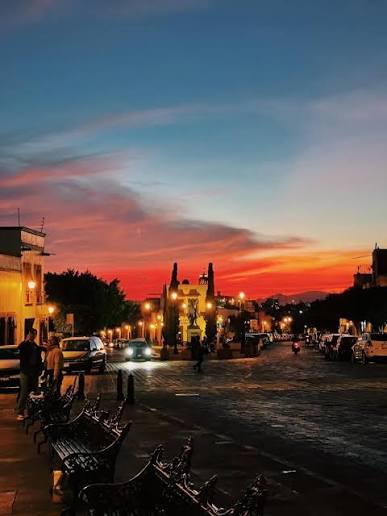
12. Terraces to watch the Querétaro sunset
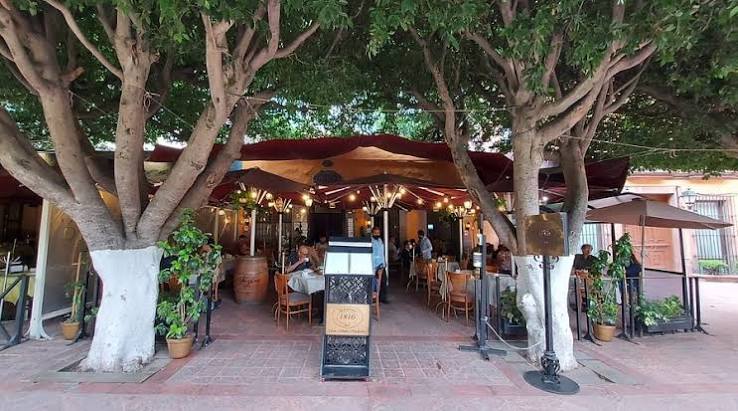
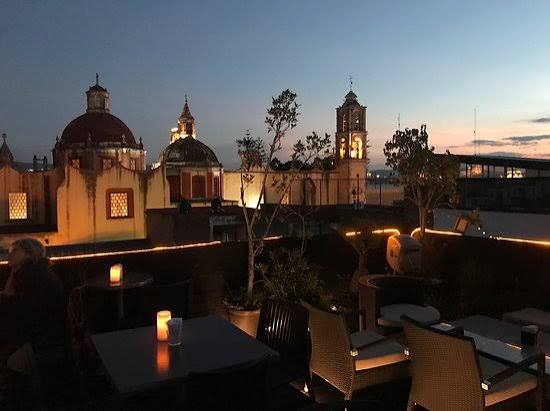
Queretaro has one of the most beautiful sunsets in the world, and what better way to enjoy them than in the company of your loved ones, while eating, drinking, and spending some time relaxing outdoors. In the city center you will find restaurants that offend amazing terraces to enjoy lovely sunsets.
Nosotros te brindamos un servicio personalizado y de calidad para ayudarte con tu búsqueda inmobiliaria. Si necesitas asistencia o tienes preguntas, siéntete libre de contactarnos.